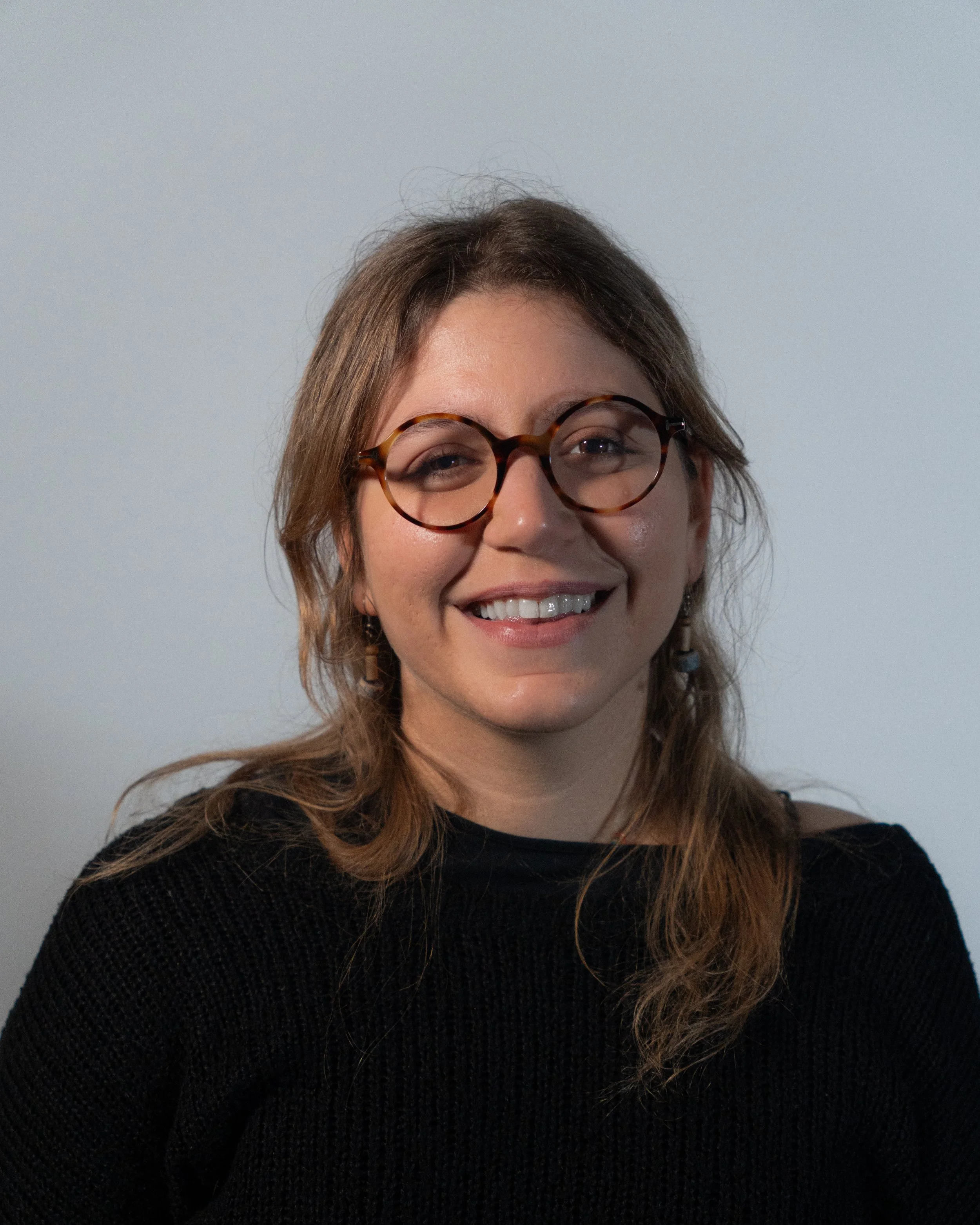
Art therapy sessions for children, teenagers, and adults of all ages, by HCPC and BAAT certified Art Psychotherapist, Anna Kamperou.

What is art therapy —>

Services

Art Therapy Sessions

In art therapy, we work together to deepen self-understanding and develop new perspectives so you feel less distress in your life.

Learn more →

Psychoeducation workshops

These workshops for parents offer supportive, accessible learning around children’s emotional wellbeing, behaviour, development, & relationships.

Learn more →

Creative wellbeing workshops

These workshops use art and creative activities to support reflection, connection, and emotional wellbeing around various themes.

Learn more →

School-based mental health support

Supporting the mental health and emotional well-being of students, families, and school staff through a relational and trauma-informed approach focused on early intervention and emotional safety.

Learn more →

About Anna

I work with a wide variety of mental health concerns. My experience includes supporting those affected by anxiety, depression, bereavement, low self-esteem, suicidal thoughts, relationship difficulties, societal oppression, and a background of childhood trauma and/or neglect, among others. 

In therapy, I prioritise creating trusting and genuine relationships. I believe in helping clients access their intuition and rediscover their ability to play. I am supportive and non-judgmental, while also gently challenging you where it feels helpful in order to encourage new avenues of thinking and overall well-being.

I received a Master’s degree in Art Therapy from Queen Margaret University. I am registered with the Health and Care Professions Council, the British Association of Art Therapists, and the European Federation of Art Therapy.

Learn more —>

FAQs

  • Art therapy is a form of psychotherapy that combines traditional talking therapy and creative expression. The creative process is used to explore emotions and deepen self-understanding in order to facilitate well-being, offering a gentle and often non-verbal way to explore thoughts, feelings, and experiences.

    You do not need to be artistic or have any previous experience with art to benefit from art therapy. The focus is not on creating “good” art, but on using materials and image-making as a way to communicate, reflect, and process what may feel difficult to put into words.

  • Sessions are tailored to your individual needs, and can look very different from person to person. 

    The session may involve talking, making, or a combination of both, and we will gently reflect on your experience towards the end. There can be as little or as much art-making as you like.

    We usually begin with a brief check-in to explore how you are feeling and what you might want to focus on. You may then choose to engage in creative work using materials such as drawing, painting, collage, or clay. Some people prefer to work mainly through talking alongside art-making, while others prefer to work quietly and might reflect on the process later. There is no “right” way to engage.

  • For sessions in person, I will be providing a selection of art materials. For online sessions, ideally you will have a mix of drawing, painting, and sculpting materials. If you want to stick to a smaller art pack, or know you’ll only want to use certain materials, that’s okay too. It’s up to you.

  • Sessions are typically 50 minutes and held weekly, though we can agree on a rhythm that best suits your needs.

    The length of therapy varies from person to person. There is no fixed timeline—some people come for a short period of focused support, while others prefer longer-term work. We’ll move at a pace that suits you, without rushing towards an ending or extending things beyond what’s needed. How long therapy takes depends on how long it takes for you to feel better and to feel ready to end therapy.

  • The fee for a session is €50. I offer a limited number of reduced-fee and solidarity-rate slots to support accessibility for people with lower incomes or financial difficulty. These spaces are limited and offered based on availability.

  • If you would like to be considered for a reduced-fee or solidarity-rate space, please mention this when you contact me. Availability changes depending on my current caseload, and I will let you know what is possible at the time.

    I do not ask for detailed or personal financial information to determine eligibility for reduced-fee spaces. I work on an honour-based approach and trust clients to assess their own circumstances honestly.